
Finding New Brunswick Residents
Use the detail already attached to the question. An address belongs first with the parcel and tax trail. A past household belongs with a dated directory, a census schedule, or archival material. A name associated with a court matter or a professional credential needs the official index that created that record. The New Brunswick residents directory is therefore a set of dated sources, not one master list. Each result should retain its source, date, role, and any gap in coverage.
The distinction matters. A tax-list owner may not be the person at the property. A deed party may be an executor, lender, or organization. A directory entry can identify a boarder or a business relationship. Build the result from two independent records before treating names as the same person.
- Standardize the street address and note the municipality, postal line, and block and lot when available.
- Check the annual property data for a time-stamped parcel lead, then record the date of that file.
- Use the Middlesex deed index to follow recorded instruments and their legal descriptions.
- For an earlier household, compare directory years with census material and the library or Archives collection.
- Ask the identified custodian for a specific record, date range, address, or case number when an online route stops.
New Brunswick Records Offices
New Brunswick is the Middlesex County seat, so county, municipal, and state records converge here without becoming one file. The County Clerk holds the recorded land trail and local election functions. New Jersey maintains statewide property, court, voter, and vital-record pathways. The City Clerk is the municipal custodian for minutes, archival records, licenses, permits, and related record series. A precise request reaches the right office faster than a request for a complete personal file.
Middlesex County Clerk Recording Services
75 Bayard Street, fourth floor
New Brunswick, NJ 08901
732-745-3002
New Jersey Property Explorer
State parcel and tax-data route
County, municipality, block, lot, or address
Owner information may be redacted
New Jersey Voter Information Portal
State registration-check route
County context is important
Election questions go to county officials
For a full address-led route through these sources, use the New Brunswick street directory rather than treating any one office as a complete resident list.
New Brunswick Parcel Clues
New Jersey property-tax transparency data describes annual assessor-submitted information such as location and owner fields, block and lot, assessed land and building values, prior taxes, and classification. It is useful as a dated parcel lead. It can lag after a conveyance, and a name omitted under Daniel's Law does not mean the parcel lacks an owner. The state explorer offers address, county, municipality, block, and lot concepts, while the Middlesex service separately exposes Parcels and Tax Blocks layers.
| New Brunswick parcel search element | What the research confirms |
|---|---|
| Address | Supported search concept in NJGIN Property Explorer |
| County and municipality | Supported search concepts for selecting the local area |
| Block and lot | Supported search concepts and a bridge to recorded maps |
| Owner field | Appears in annual tax data when not redacted; live result behavior was not captured |
| Parcel geometry | Middlesex MapServer offers Parcels and Tax Blocks layers, with a 2,000-record maximum |
Parcel boundaries may not edge-match across sources. Preserve the parcel identifier, data date, and source URL before using it to connect the New Brunswick residents directory with a recorded instrument.
New Brunswick Voter Records
The New Jersey registration check is an official place to verify a narrow registration question, not proof that a person lives at an address today. The inspected route did not expose its live labels, so a result should be confirmed on the active portal or with the county election office. Public-registry law identifies fields including name, address, date of birth, party affiliation, and voting history, but voter signatures are excluded and use rules apply.
When a public election list is actually needed, Middlesex County describes a request process that can deliver specified election lists in Excel form. Keep the request tied to a lawful election-record purpose. Do not use a registration hit to infer identity, a household relationship, or a current address without a dated second source.
New Brunswick Residents Directory Sources
These sources answer different questions about New Brunswick residents. Reading them side by side prevents a category mistake, such as treating a conveyance as proof of occupancy or a voter result as a complete household list. The access column also signals when a record must be requested from staff rather than searched online.
| New Brunswick source | What a record can show | Custodian | Access channel |
|---|---|---|---|
| Annual property-tax data | Parcel location, owner field when available, block/lot, assessed values | Local assessor data / NJ Treasury | Public annual data |
| Recorded land index | Parties, instrument type, recording date, and legal-description trail | Middlesex County Clerk | Web search and Bayard Street record room |
| Registration and election lists | Registration-related evidence subject to statutory limits | State and county election offices | Portal or county request route |
| City and historical directories | Dated address, occupation or role, and household notation | Library, Rutgers, Archives | Scans, reference help, collection request |
| Court and vital records | Case or event-specific facts, often with access limits | NJ Courts and vital-record custodians | Official portal, form, mail, counter, or appointment |
A name-first verification sequence belongs on the New Brunswick resident lookup page. Here, the goal is to show which directory source can supply the next dated fact.
New Brunswick Deed Trails
The Middlesex Record Search System advertises deeds from January 1, 1929 to the present, mortgages from January 1, 1950, and other documents from January 1, 1958. A 2022 county digitization notice says older deed books reach 1923. That 1923 to 1928 difference is a useful verification flag: check the live portal first, then ask the record room which book or index applies. The web service publishes hours of 5 a.m. to 11 p.m., seven days a week.
Read grantor as a likely transferor and grantee as a likely recipient. Log the instrument type, recording date, identifier, municipality, and legal description. Mortgages, liens, releases, easements, and maps are not deeds. Staff can explain the computerized index, but the county says they do not perform title searches. A chain needs the underlying records and a careful review of every transfer.
- Parcel
- A mapped unit of land, often tied to a block and lot.
- Situs address
- The location of the parcel, which can differ from an owner's mailing address.
- Grantor / grantee
- The likely transferor and recipient named in a recorded instrument.
- Criss-cross directory
- A historical directory arranged by address rather than by surname.
New Brunswick Court and Vital Paths
New Jersey Courts separates civil and foreclosure, criminal, judgment-lien, Tax Court, and municipal routes. The municipal route is not a broad name directory. It uses ticket or complaint information. A statewide name hit should be recorded with its division, county, docket, and date, then treated as evidence that a case file exists rather than evidence of a current address or identity.
Vital records follow another boundary. The New Brunswick Registrar issues qualifying local certified copies; New Jersey Vital Statistics has statewide routes; older genealogy material belongs with the State Archives. Current certified copies require eligibility, identification, relationship proof, and a fee. Genealogical requests use age thresholds: births older than 80 years, marriages older than 50, and deaths older than 40, subject to the agency's stated cutoffs.
See the New Jersey Consumer Affairs verification page before using the official credential tool.
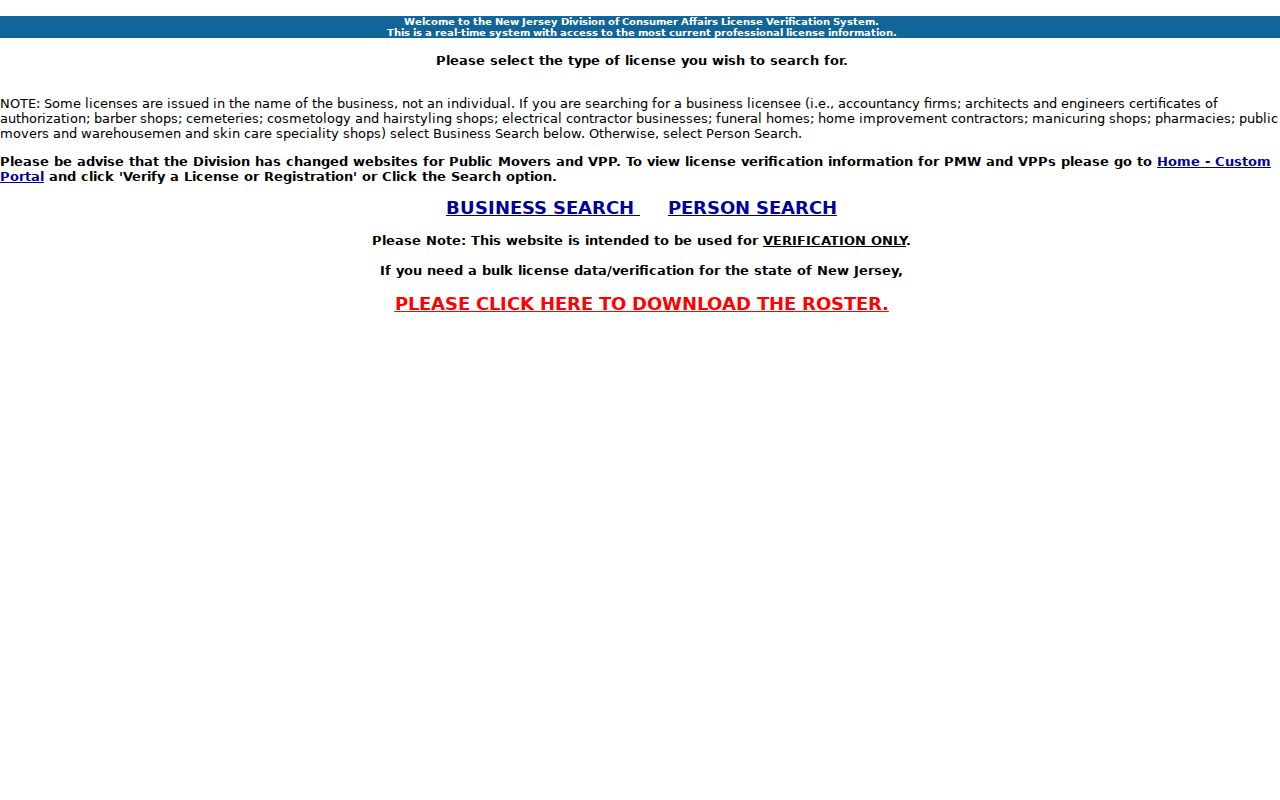
A professional or business credential can confirm a credential record, but it is not a general identity file or proof of where someone lives.
New Brunswick Historical Directories
Historical directory collections are New Brunswick's strongest resident-at-address lead for an earlier era. Rutgers Special Collections identifies a New Brunswick vertical file from 1801 to the present and Middlesex County records from 1683 to 1929. New Brunswick Free Public Library can help identify local directories, newspapers, microfilm, and partner resources, although its exact directory run should be confirmed with reference staff before a visit.
Four directories dated 1855 through 1871 were digitized in 2023 after the physical volumes were damaged, according to a New Jersey Library Association report. Later leads include nineteenth-century and early-twentieth-century volumes and Polk's New Brunswick City Directory coverage from 1940 through 1962 in a State Library finding aid. Preserve the edition, page, spelling, street form, and whether the entry is residential or business. The historical collection details belong in the New Brunswick Directory Book.
New Brunswick ZIP Checks
Postal data needs its own check before it enters a New Brunswick residents directory search. ZIP 08901 is the primary local context, but 08902 and 08903 can appear in routing material associated with North Brunswick. The County Clerk's own PO Box 1110 uses New Brunswick, NJ 08903. That apparent conflict is not evidence of a changed city boundary. Use a complete address, USPS result, legal municipality, county, and parcel record together.
USPS ZIP Lookup can test a full delivery address. A ZIP label describes a delivery route, while a Census ZCTA is a statistical approximation. Neither replaces a municipal tax map or legal description. The ZIP-specific workflow keeps those values separate.
New Brunswick Privacy Safeguards
New Jersey public access is record-specific. The Open Public Records Act, N.J.S.A. 47:1A-1 et seq., generally asks custodians to respond to an accessible, complete request within seven business days. State guidance also describes longer notice periods for commercial requests or Daniel's Law review. Identify a record type, date range, address, parcel, agency, or case number rather than asking for all information about a person.
The Address Confidentiality Program supplies a substitute address for qualifying people. Daniel's Law provides an address and identity redaction process for covered officials and households. A blank owner field or a closed record may reflect a legal protection rather than an absent record. Court seals, vital-record eligibility, and privacy exemptions remain separate from an OPRA request.
Use the state OPRA guidance to identify the custodian and the available delivery channels.
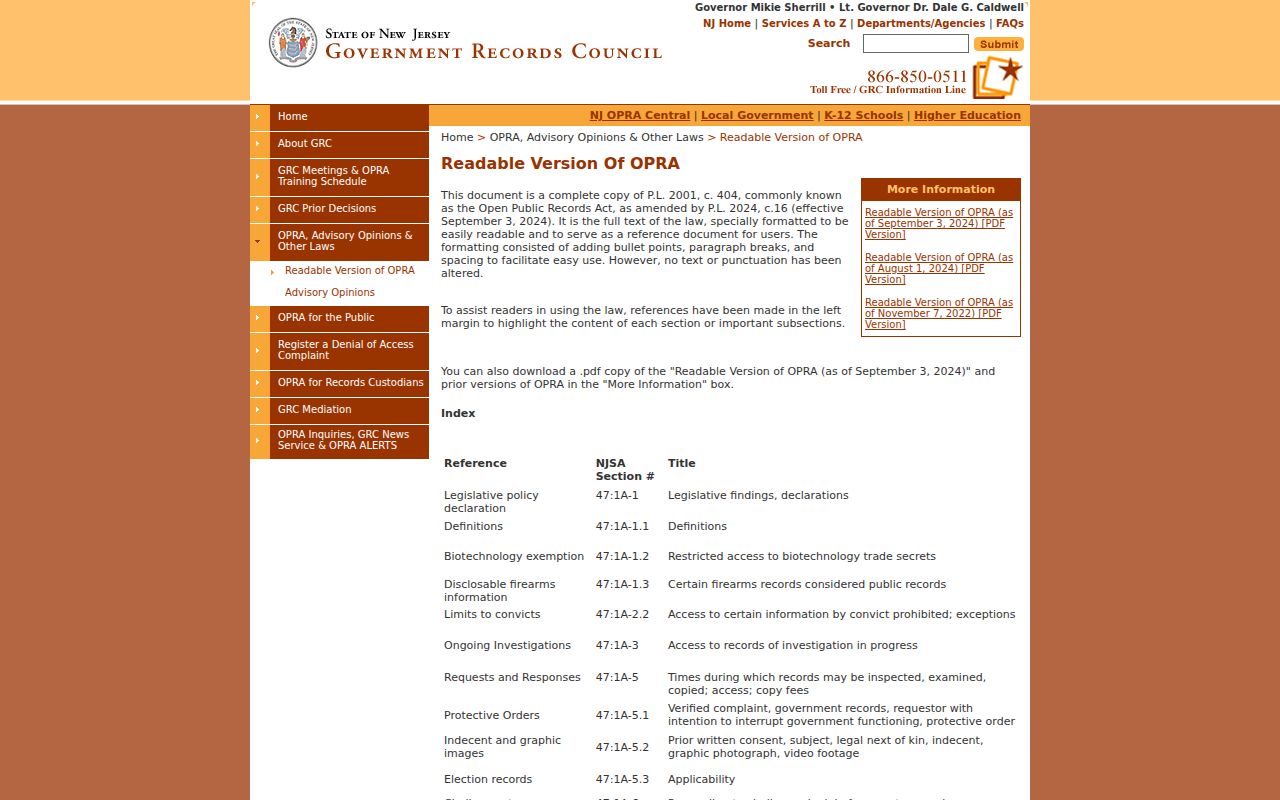
OPRA provides a request process, not a promise that every personal detail can be released.
New Brunswick Archive Leads
The New Jersey State Archives brings together genealogy collections, county microfilm, wills and estates, and older vital series. Search its collection description first, then identify the collection, date range, and copy or appointment route. The State Library's digitized Middlesex collection adds New Brunswick Common Council minutes from 1796 to 1819 and city ordinances from 1865. Those public documents can explain an old street name, public improvement, or municipal setting without identifying a modern resident.
The 1897 Library of Congress Sanborn item has 31 sheets. It can show a building footprint, neighboring uses, and street relationships at that date. It cannot identify a current person. Pair a map with a directory edition and a dated property record, and note where the evidence remains uncertain.
Start with the State Archives genealogy collections when a historical name needs a record-series boundary.
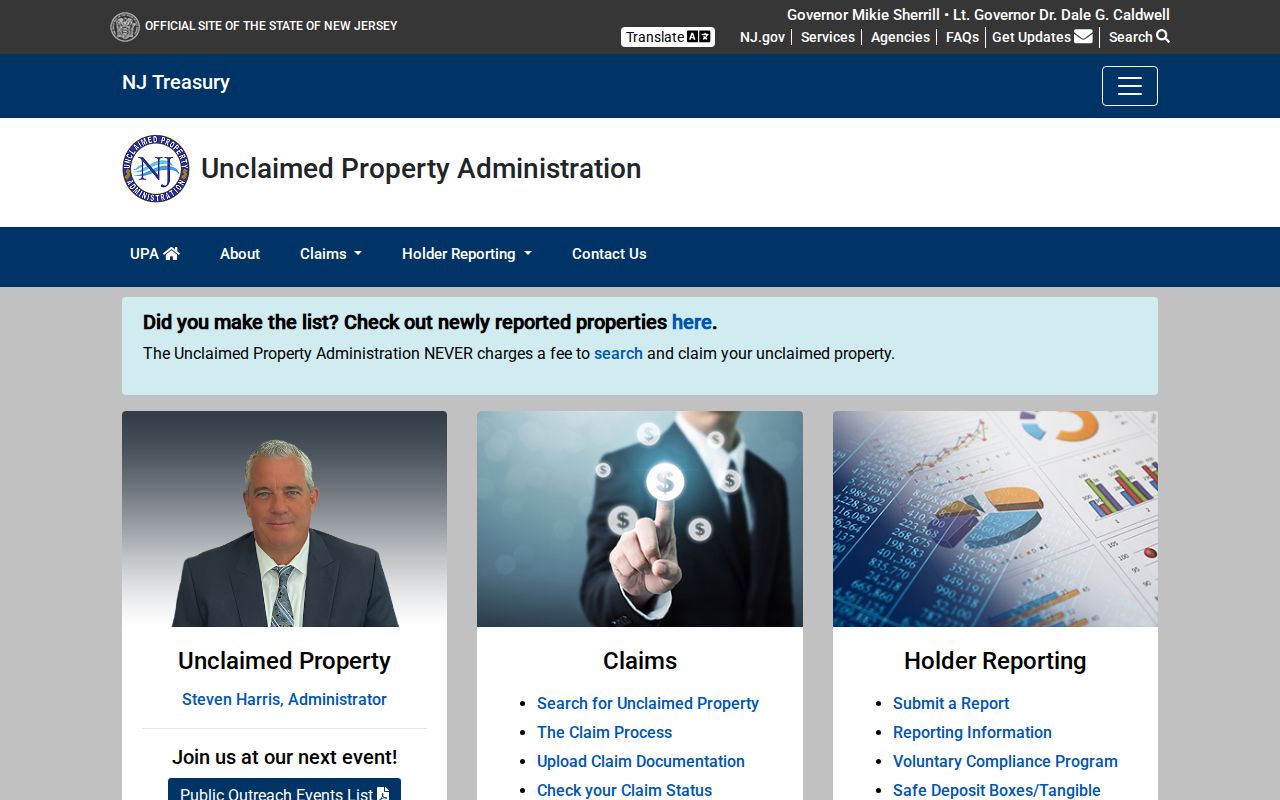
A free unclaimed-property match can supply an old-name or prior-address lead, but a claimant must prove ownership and the result does not establish current location.
New Brunswick Records Requests
When a New Brunswick record has no public index, ask for the record rather than a person profile. The New Jersey Open Public Records Act accepts a written request to the custodian, and the research documents hand delivery, mail, fax, email, and an available web route as possible channels. Give the office a record series, date range, department, address or parcel, case number, and the format needed. A request for an entire file about a person is less likely to identify a record that can be released.
For an accessible and complete record, OPRA guidance generally calls for a response as soon as possible and no later than seven business days. The guidance describes a 14-business-day period for commercial requests or Daniel's Law review, along with notice of the expected response. Electronic copies may not carry a per-page charge. The state guidance lists five cents for a letter-size page and seven cents for a legal-size page, while special media or service work can add charges. A denial can be appealed to the Government Records Council within the stated 45-calendar-day period or pursued in Superior Court.
Courts, vital records, library collections, and Archives material may use a different form, counter, mail request, research-room appointment, or copy procedure. Use the channel named by that custodian. An OPRA request does not override privacy exemptions, sealed court material, or certified-copy eligibility rules.
New Brunswick Portal Dates
Save the date of every portal visit. State and county tools can change without changing the basic record series. NJGIN reported a May 2026 parcel-data update that included Middlesex and a March 2026 transition away from an older ArcGIS-hosted service. A saved parcel link may therefore fail later or show a changed field pattern. Start again at the official landing page, capture the new date, and note whether the record source or access route changed.
In-person access can shift too. The County Clerk published a records-room maintenance closure for August 17 through 20, 2026, which had passed by the research date but illustrates why same-day hours matter. The land-record portal's stated 5 a.m. to 11 p.m. availability is not a substitute for checking a record-room visit, a library reference appointment, or the current vital-record payment instructions.
New Brunswick Match Limits
Accuracy grows from dates and independent evidence, not from a longer list of names. A directory entry shows a publication snapshot. A tax list carries an annual timing limit. A deed confirms a recorded transaction, not occupancy. Court, custody, registry, and license records each serve narrower purposes. Record the source URL, date searched, name variant, address form, and reason a match is tentative.
Official portals are generally better starting points than commercial people-finder products because the custodian, record type, and access rule are visible. They can still be incomplete, redacted, delayed, or limited to a particular jurisdiction. Never infer a family tie, personal relationship, or present location from one name match.
Use the New Jersey State Police registry only within its official legal framework.
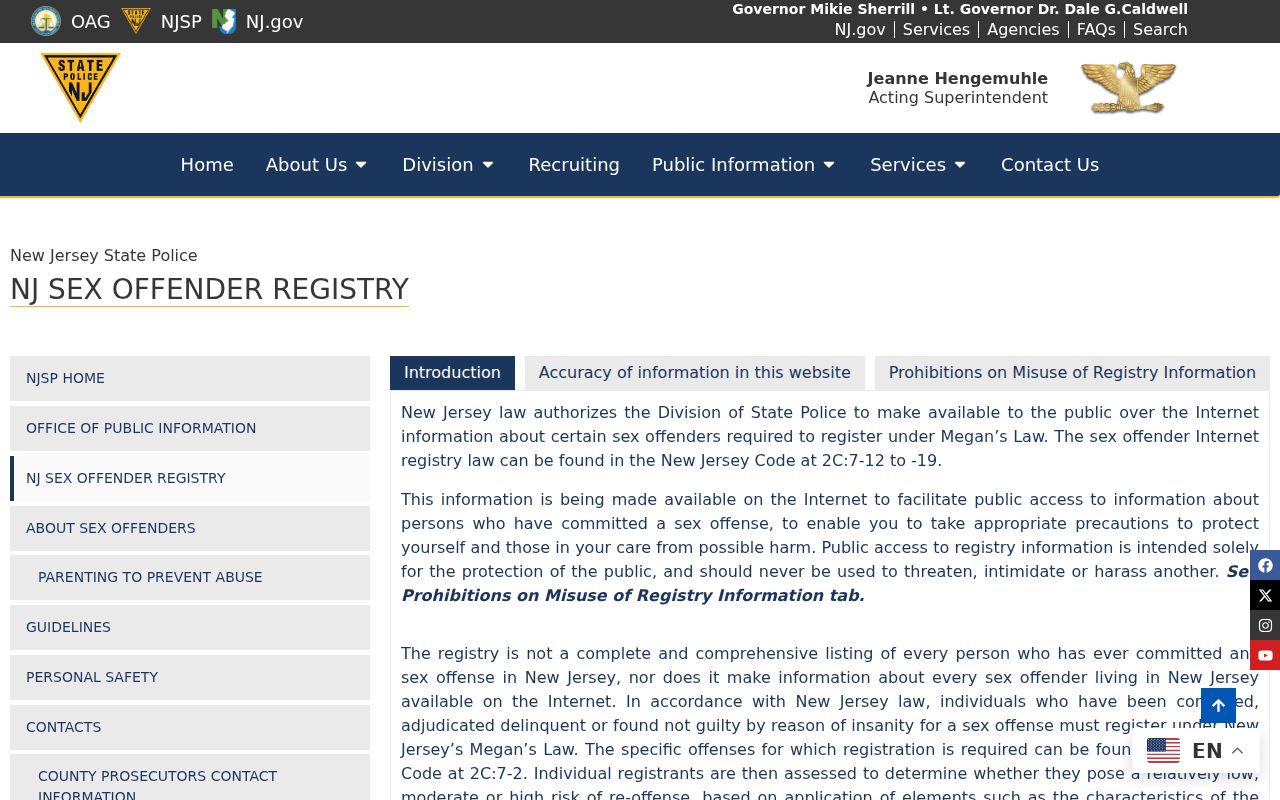
Registry information has defined legal limits and is not a general-purpose identity or address directory.